Why Every Tree Care Business Needs a Consumer Relationship Management System
Implementing a tailored consumer relationship management system can transform how your tree care company manages leads, schedules jobs, and retains clients. Discover why arborists need modern CRM tools to scale operations and boost profitability.
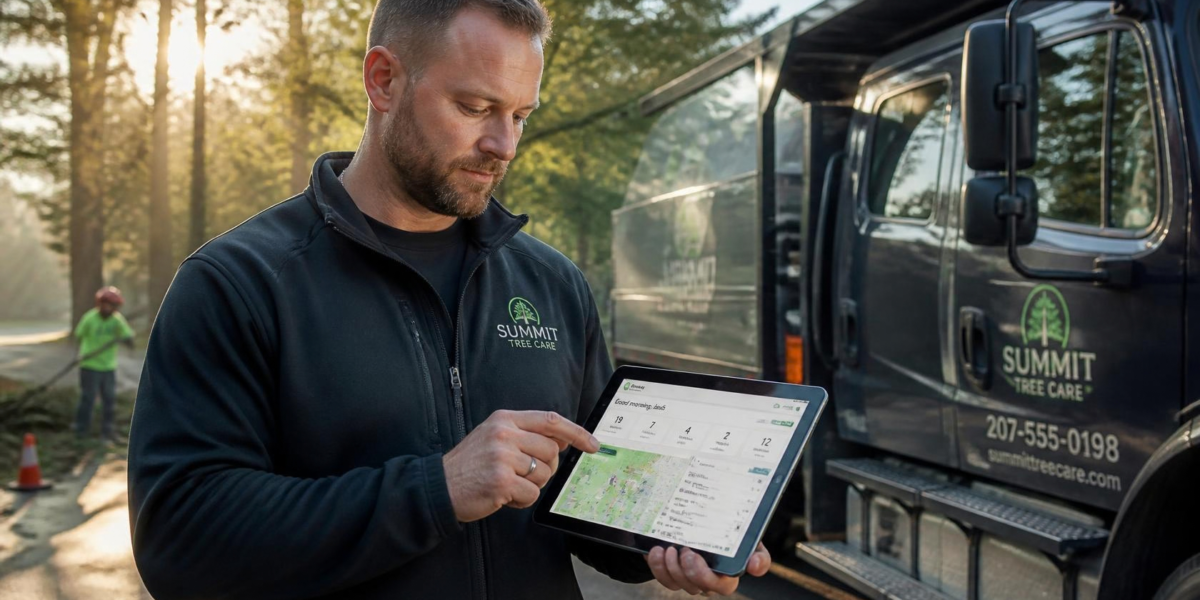
Managing a successful tree service company requires balancing complex field operations with continuous customer service. From emergency storm response and seasonal pruning to hazard tree removals, your schedule is constantly shifting. In 2026, relying on paper sticky notes, scattered text messages, or basic spreadsheets to manage your client base is a recipe for missed opportunities and lost revenue. To maintain a competitive edge and build long-term enterprise value, modern arborists must embrace a dedicated consumer relationship management system.
A specialized CRM acts as the digital backbone of your business, centralizing customer data, automating sales follow-ups, and ensuring that communication between your office, field crews, and clients remains crystal clear. In this guide, we will explore how a consumer relationship management system transforms tree care operations, drives profitability, and elevates customer satisfaction.
What is a Consumer Relationship Management System for Tree Services?
At its core, a consumer relationship management system (CRM) is software designed to manage all interactions between a business and its current or potential clients. While general CRMs exist for retail or real estate, field service businesses—specifically tree care providers—require tailored CRM functionality built to handle spatial job sites, detailed estimating, crew dispatching, and property histories.
For an arborist, a CRM isn’t just an address book. It is an integrated operational hub that tracks a client’s lifecycle from the moment they request a hazard assessment to the final invoice payment—and every recurring maintenance visit in between.
Key Benefits of a CRM for Tree Care Business Owners
Implementing a modern consumer relationship management system provides immediate operational relief and long-term financial benefits. Here is how it directly impacts your tree service business:
1. Faster, Professional Estimating and Lead Tracking
In the green industry, speed to quote often wins the job. When a property owner requests an estimate for canopy thinning or stump grinding, waiting days to send a proposal opens the door for competitors. A CRM allows field estimators to capture job site photos, add line items with predefined pricing, generate professional digital estimates on-site, and email or text them directly to the homeowner within minutes.
Furthermore, automated follow-up sequences within the CRM ensure that pending quotes are systematically checked on without requiring manual staff labor, significantly raising your job close rates.
2. Centralized Property and Tree Histories
Trees are long-term assets, and property owners appreciate working with arborists who remember their history. A specialized CRM maintains detailed logs for every customer account, including site risk assessments, past plant health care (PHC) treatments, property photos, access notes (e.g., gate codes, overhead powerline warnings), and communication logs.
When a client calls three years after a initial consultation, your customer service representative can immediately view their complete history, providing a personalized experience that builds immense brand loyalty.
3. Automated Communication and Reduced No-Shows
Customer frustration often stems from poor communication regarding crew arrival times or project delays. A consumer relationship management system automates client notifications through SMS and email. Automated messages can remind clients of upcoming work dates, request gate access, confirm crew dispatch, and notify them when the job is completed. This level of transparency dramatically improves customer satisfaction scores and reduces payment disputes.
Essential CRM Features to Look For in 2026
When evaluating CRM software options for your tree care enterprise, ensure the platform offers features specifically tailored to field service and tree maintenance workflows:
- Mobile Accessibility for Field Estimators and Crews: Your teams are in the field, not behind desks. A mobile app allows arborists to create quotes offline and crew leaders to update job statuses, upload completion photos, and collect digital signatures.
- Visual Job Mapping and Routing: Efficient scheduling minimizes windshield time. Look for a system that integrates map views to help managers cluster estimates and jobs geographically.
- Plant Health Care (PHC) Renewal Tracking: PHC treatments represent high-margin recurring revenue. A good CRM can schedule automated recurring tasks and seasonal reminders to renew plant care contracts annually.
- Integrated Invoicing and Mobile Payments: Reduce your accounts receivable timeline by enabling crews to collect credit card payments instantly upon job completion or sending click-to-pay invoice links via text message.
- Reporting and Sales Analytics: Track conversion rates by service type, monitor estimator sales performance, and pinpoint where your best leads originate to optimize your marketing spend in 2026.
Overcoming Implementation Challenges
Transitioning your entire operation to a new consumer relationship management system can feel intimidating. To ensure a smooth rollout, consider the following best practices:
Start with Clean Customer Data
Before importing your existing contact list into a new CRM, take the time to clean up duplicate records, remove obsolete contacts, and standardize formatting. Garbage data in yields garbage data out.
Invest in Staff Training
Software is only as effective as the people using it. Provide dedicated training sessions for your office staff, sales estimators, and field crew leads. Emphasize how the system makes their day-to-day jobs easier by eliminating paper chaos and miscommunications.
Phase Your Implementation
Rather than launching every feature on day one, roll out core functionalities in phases. Start with customer intake, digital estimating, and job scheduling. Once your team is comfortable, introduce advanced features like automated marketing campaigns, review requests, and inventory tracking.
Conclusion: Modernize Your Tree Care Operations
As client expectations rise and operational costs increase, tree service operators must leverage technology to protect their margins and deliver superior service. A robust consumer relationship management system shifts your business from reactive firefighting to proactive growth. By streamlining quotes, centralizing customer knowledge, and automating repetitive tasks, a CRM empowers your business to deliver exceptional arborist care while systematically growing your bottom line in 2026 and beyond.
Operator Insights
Join 2,000+ tree care owners getting our weekly operational tech teardowns.